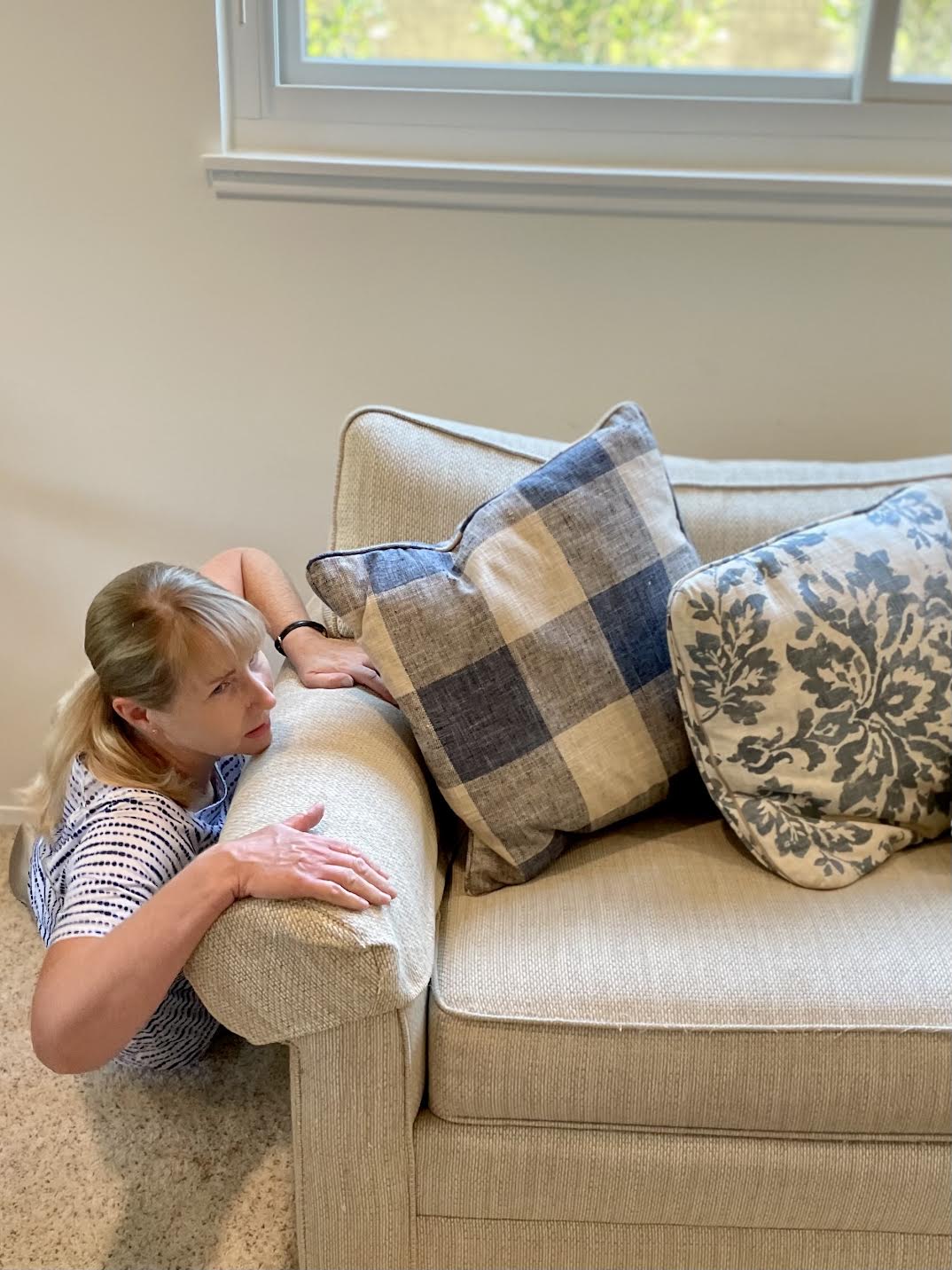
After months or even years of work, you’ve finally finished a draft of your novel. You’re anxious, but also super excited to get feedback on your story and the characters you’ve created. Maybe you submit your first chapter to your critique group, or perhaps you hire a professional editor hoping that she’ll clean up your draft and make it shine. Could be you take a creative writing class and show your novel to your instructor, or if you’re feeling really brave, you might even give your entire draft to a beta reader and ask him to critique it.
You toss and turn at night. You dream of winning a Pulitzer or making the New York Times Best Sellers list. You reread your manuscript from prologue to epilogue. A week later, you get feedback, but it’s not what you expected. It’s mostly negative. At least that’s how it seems to you. So, what do you do?
The technical edits I receive, I love. I consider them invaluable. The punctuation, grammar, believability issues, and structural and pacing concerns, are why I ask for critiques. It’s the jabs that feel bitingly personal or seem completely off base that send me into a tailspin. Someone once told me that my writing was too OC (Orange County). In California speak this means too conservative, basic, generic, and not raw enough to be relevant. An agent who read a paragraph from one of my novels once theorized that I must be a beginning writer. At the time, I’d been writing for twenty years. More recently, I hired an editor to help me rework a novel I’d written when I was much younger. The story was personal to me, and I felt that I couldn’t be objective enough to cut words and scenes. When I submitted a chapter, she told me that my writing was terrible and a mess. She seemed annoyed that I’d asked her to read my chapter, even though I’d paid her to revise it.
I’m not giving you these examples so I can whine. Okay, so maybe I am, a little. My point is that critiques we deem to be insensitive happen. Why do they happen? I don’t know. I like to think that the critic is having a bad day and simply not communicating professionally, or the writer is in a particularly vulnerable state of mind when she takes in the critic’s words. It’s been my experience that most critiques are helpful. They note minor errors that writers miss. On occasion, a critique is so good it blows you away and changes the course of your novel. And it happens very rarely (I can count these experiences on one hand) but some critiques come from what we perceive to be from a mean-spirited place. The problem is, an upsetting critique can really knock you off your writing game—even if it’s well-intentioned. So how do you deal with a critique that triggers you?
- Ask the critic to be specific. What about your novel makes it not work? If it’s confusing, what exactly makes it confusing? Are there too many names or characters? Are you jumping around in scenes and writing in different points of view? Did you forget to set the scene? What specifically you can do to make it better? You get the picture. Ask the critic to be as clear as possible.
- Don’t get overwhelmed. Remember that most novel problems are easy fixes. If someone tells you that it’s not believable that your character can travel across the state in under an hour in his Honda, put them in a plane. If they remark that your dialogue in the opening paragraph is stilted, read it aloud, and tweak it. If they say you’re using the word “fingered” too often, substitute a different word. If they say, your lawyer protagonist is unlikable, maybe give her a puppy and show us her nurturing side. Sure, some issues might be major, but most of them won’t be.
- Embrace the novel writing process. In other words, don’t forget that books aren’t written, they’re rewritten. This realistic saying is often a hard pill to swallow if you’ve just spent a year writing a first draft. The thought of writing a second, third, fourth, and fifth draft, can be daunting. But if you accept the notion that writing is arduous, you’ll be more likely to power through a rough patch and blockout a few tactless comments.
- Try not to take the criticism personally and get wrapped up in drama. This is a tough one. When my children were in high school and had a problem with a teacher’s grading system, I’d tell them to think about the end game. Your goal isn’t to fight with your critic or even to verbally defend your novel. Your goal is to write the best novel you can. If your critic makes a valid point accept it and apply it to your manuscript. If you don’t believe the point’s valid, dismiss it and move on.
- Consider the source before reacting. Not all critics are familiar with all genres or target audiences. That’s it in a nutshell. If you’re writing a YA fantasy and your critic edits adult historical fiction exclusively, they’re probably not the best person to read and edit your work. Check out your critic’s writing. If your writing style or tone differs greatly from theirs, you might be on different pages artistically. Writing is subjective. The critic simply might not get you or your book.
- Take the you need time to digest comments. Time provides prospective. Give yourself a week to calm down. Then reread the edits, and try to be objective. There might be a few grains of valuable wisdom underneath all that bluntness.
- As they say, it’s a numbers game. If you haven’t already done so, give your manuscript to a few more readers. If they agree with the first critic and there’s a general consensus, then you’ve probably got some work to do.
- Focus on the positive and be kind to yourself. You’ve finished a draft. That’s huge. The draft might not be perfect, but now you’ve got something to work with.
- If you’re feeling shaky about your writing, get some emotional support. Take advantage of an online writers’ support group, meet a critique group friend at Starbucks and vent, or read inspirational writing books like Bird by Bird, by Anne Lamott or Writing Down the Bones by Natalie Goldberg. It might not be therapy with a shrink, but it’s close and it helps.
- Keep writing and revising, and find a critic whose communication style meshes with yours. You need tough skin to be a writer, but feeling like you’re being abused is definitely not fun or healthy. We need our critics to be honest, but we also need them to inspire us to do our best writing. If you feel like someone is cutting you down, cut them loose.
Stay well, be positive and keep writing… always!