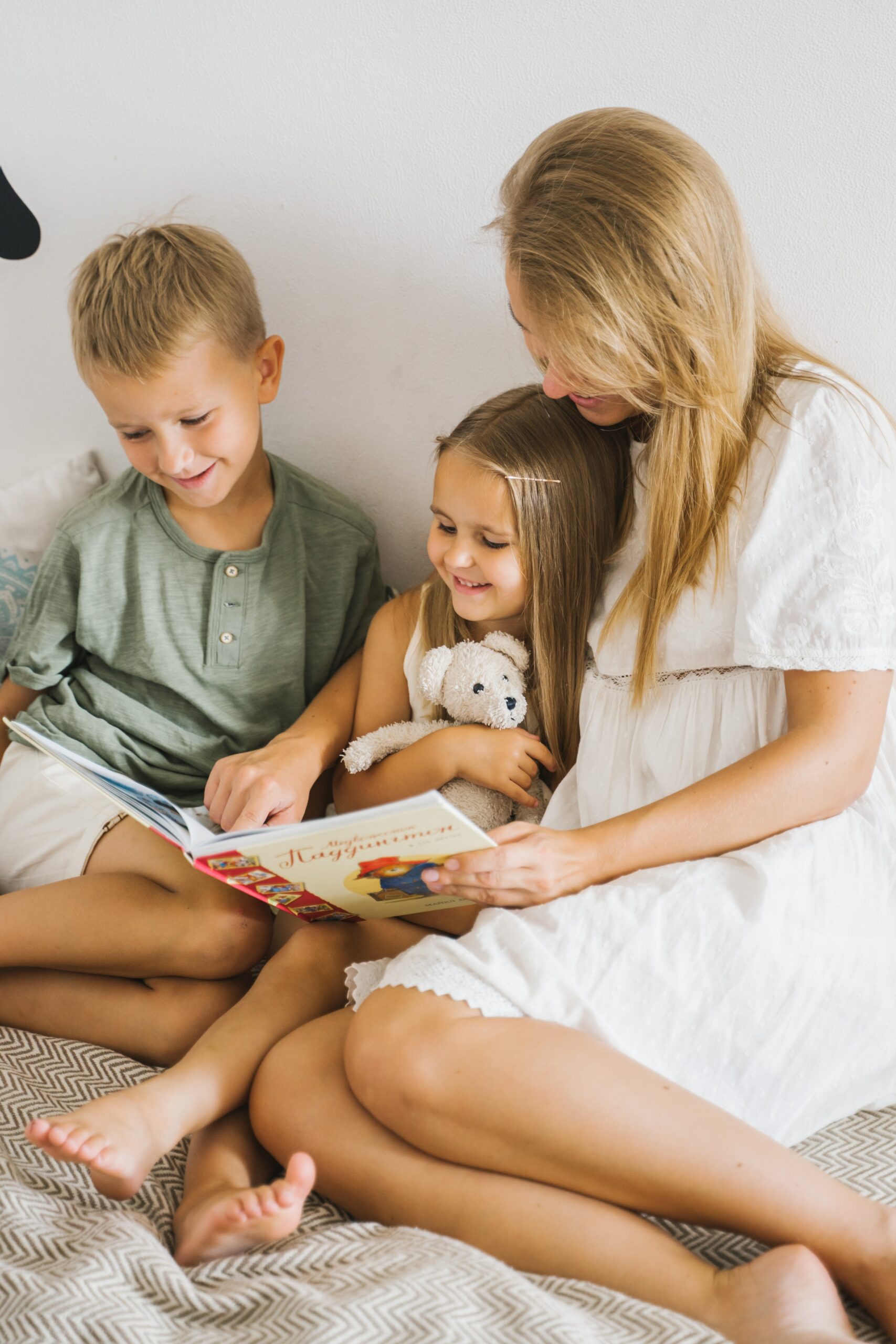
This morning I was at my local dog park watching kids play soccer on an adjacent field. Seeing the children brought me back to an early period in my writing journey when I wrote picture books. Trying your hand at picture books is something I’d encourage you to do if you can’t give your writing a ton of time. When my children were young, writing picture books kept me from feeling frustrated, it enabled me to work on my craft, to stay a part of my local writing community, and it gave me a sense of accomplishment. Realistically, given my life situation, there was no way I could have finished a 100,000-word novel draft. Let alone edit it.
Don’t get me wrong. I’m not saying that writing a good picture book is easy. Actually, it’s the opposite of easy. Because of their limited word count (500-1,000 words) picture books are super challenging. One thing that makes picture books tough to write well is their rigid structure. All picture books are 32 pages long. In fact, getting a picture book traditionally published requires writers to follow a whole slew of rules. But not only do these rules make picture books better, applying them to novel writing can make your novels stronger too.
Listed below are some picture book rules and characteristics that made me think about my own novels differently.
- Picture books get to the meat of the story fast. Because of their short length and the attention span of their intended audience, picture books tend to open with a bang and get to the story problem quickly. There’s no setting the scene, or creating a mood, or easing into things. Right away, you know that little Sally is afraid to go to kindergarten, or that little Jimmy has lost his shoe. Knowing what the protagonist wants and what the story is essentially about from the start, immediately pulls in readers. Consider tightening your novel opening. Just because you have 100,000 words to work with, doesn’t mean you have to use all of them. Sometimes less is more. Sometimes, what we think is our novel opening, is backstory or information we can convey to readers at a later time.
- Picture books have page turns—text and art that encourages readers to turn the page. In fact, page turns are so important when writing effective picture books that pb writers create physical book dummies to layout words and images. These book dummies give pb writers a sense of their book’s pacing. Pb techniques, like cliff hangers, that get the reader to turn the page, can be applied to novel writing too. I like cliff hangers, but if used too often, cliff hangers can make readers feel like the writer is toying with them. For me as a reader, the best novels are those that seem to roll naturally forward. Consider giving the protagonist a piece of new information or goal at the end of each chapter that propels her into the next chapter or onto the next page.
- In picture books the protagonist faces three surmounting obstacles before they solve their problem. When writing your novel remember to make things not just hard for your protagonist, but hard, harder and hardest. Have her struggle and push her to the brink before she reaches her goal.
- Many people think that the point of a picture book is to teach a child lessons. In my opinion this isn’t true. In the best picture books, the lessons are subtle and come naturally out of the entertaining story. Good picture books aren’t didactic or preachy. This is the same for great novels. When writing your novel, make sure that your story is at the forefront of readers’ minds. That it’s your complex characters and exciting plot that grabs readers, not your agenda.
- In picture books, parents don’t solve the problem. It’s a boy or girl, or cute animal or creature, who finds a solution. The theory is, when young readers see the protagonist children solving the problem, it empowers child readers. But the importance of having your protagonists as the ultimate problem solver isn’t limited to picture books. In novels, when someone random swoops in from the outside and solves the crime or saves the dying loved one, readers feel cheated. Having your protagonist solve her problem, shows readers that she’s grown and changed. Readers possibly feeling empowered because of her bravery and strength (like in picture books), is an added benefit.
- Speaking of changing…at the end of a good picture book, the protagonist changes. She learns how to make a friend or how to share her toy. She becomes braver or more generous. Don’t forget that protagonists in novels change too, though not always for the better.
- The best picture books end with a surprise or twist. For me, this is also true about novels. It’s probably because I read and write a lot, but I can predict the endings to most films, books, and tv shows very early on. Even those endings reviewers say blew them away, for me are obvious. But if you want your novel to truly stand apart, I’d encourage you to create a surprise ending that even seasoned readers and writers like myself, don’t see coming. There is definite value in going the extra mile here. Think Fight Club by Chuck Palahniuk or Gone Girls by Gillian Flynn.
- Picture books contain illustrations. Most novels don’t come with illustrations, but that doesn’t mean novelists shouldn’t overlook the importance of physical and setting description, or of adding specific visuals (She dragged her fingers through her wavy hair as she glanced through the window above the kitchen sink) during scenes that don’t slow the writing down. F. Scott Fitzgerald, (the Great Gatsby) and Delia Owens (Where the Crawdads Sing) each emphasize the visual in their acclaimed novels.
- Picture books use repetition of words and phrases. Think. Big Brown Bear, What Do I See? by Bill Martin, or No, David, by David Shannon. In novel writing, repetition is generally considered a bad thing. When you submit a piece to writing group, group members point out repeated words and repetitive plot information and tell you to get rid of them. Readers notice repetition, and that’s why novel writers generally avoid it. But because readers notice repletion, it can be used for emphasis. “It was the best of times, it was the worst of times, at was the age of wisdom, it was the age of foolishness…” In Charles Dickens’ opening to his novel A Tale of Two Cities, because of the repetitive nature of his opening, readers know without a doubt that the setting of his story (London and Paris during the French Revolution) matters.
- Picture books rely on physical action to propel the plot forward. Pb writers do this because physical action is more easily illustrated than dialogue or talking heads. A picture of a clown riding a bike and a frog fighting a dragon are interesting visuals, but a clown and a frog talking… not so much. Obviously, novelist don’t have to worry about illustrations, but for me, writing dialogue is easier than writing physical action scenes. I tend to avoid fight, sex, and chase scenes. But I challenge you to add more physical action to your novel especially if your someone who relies heavily on dialogue to propel plot. Physical action creates a feeling of movement within a story that dialogue alone can’t provide.
Thanks for allowing me to share some of my picture book wisdom with you. I hope it helps. I welcome any thoughts you have on the subject, or any writing topic. Keep writing!